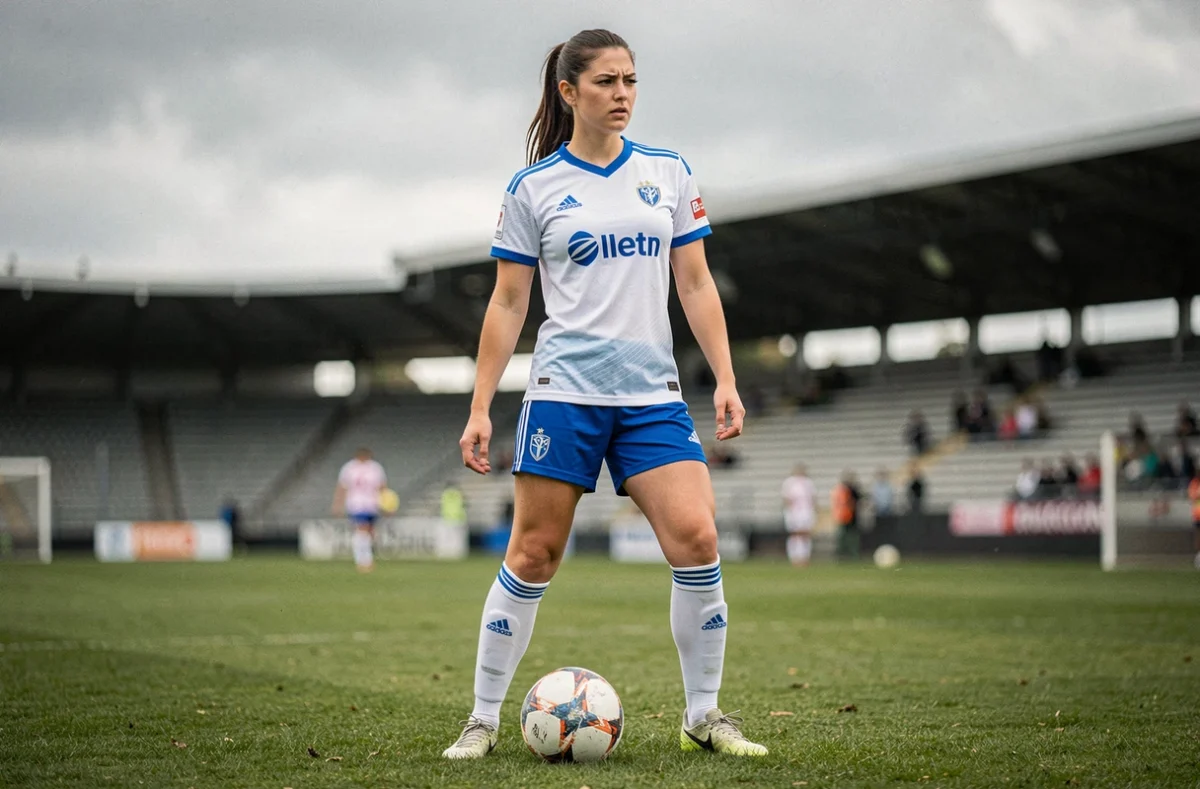
Louisa Necib did more than wear the blue jersey for over a decade. She redefined the attacking midfield role in French women’s football, then extended her influence by becoming an analytical voice on TV panels covering men’s football as well.
Louisa Necib as a men’s football pundit: a career change that shifts the landscape
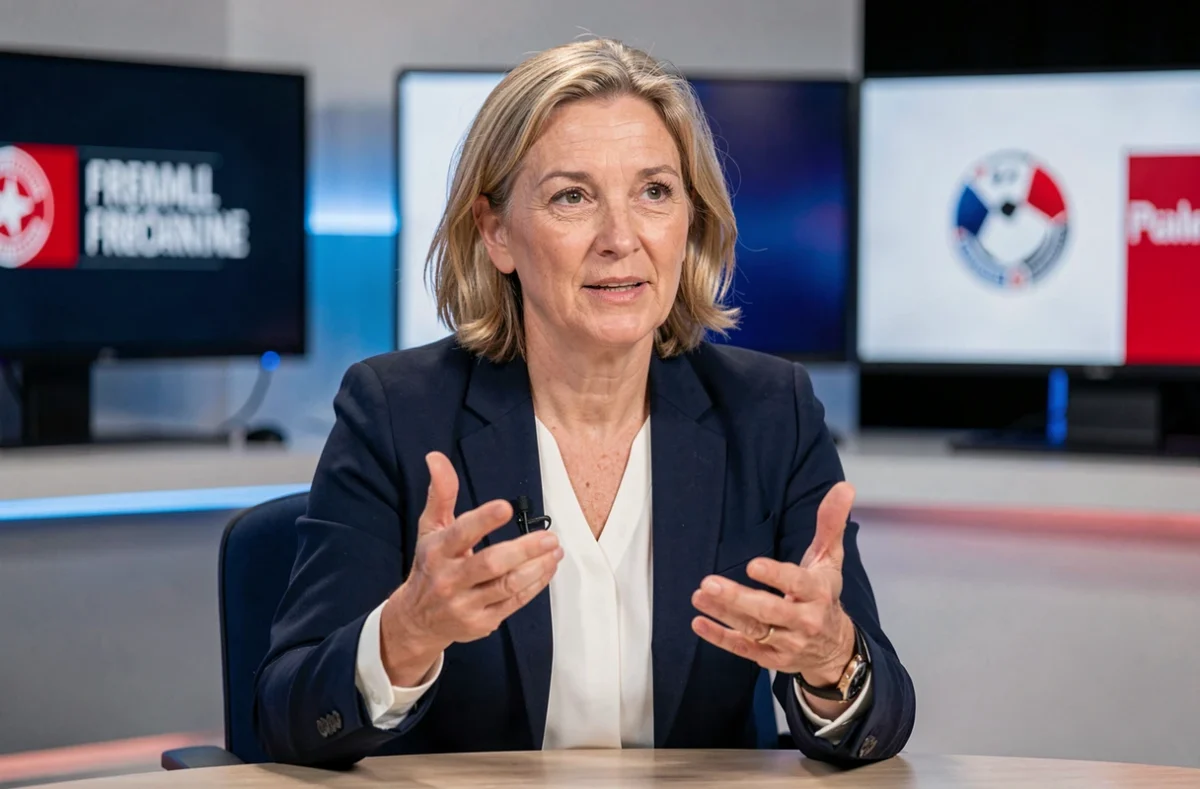
The defining moment came in October 2026: Louisa Necib was pitchside for beIN Sports during a Montpellier match in the men’s league. This is no minor detail. A former international commenting on men’s Ligue 1 breaks with the usual pattern of former players being confined to women’s football coverage.
France Télévisions had already brought her on as a pundit for France women’s national team matches. Her move into analyzing the men’s game reflects technical credibility recognized beyond gender. To learn more about Louisa Necib’s career in women’s football, it helps to understand that her media career stems directly from her reading of the game—a quality that had already earned her the nickname “Ziza,” a nod to Zidane.
This dual role raises questions about the place of former internationals in the French sports media landscape. Female pundits from women’s football who cover men’s competitions are still rare. Necib is blazing a trail that others could follow.
Louisa Necib’s technical profile: what set her apart as an attacking midfielder
Right-footed and deployed as a central attacking midfielder, Necib combined a well-directed first touch with the ability to speed up play between the lines. Her coach at Celtic Marseille Féminin, Yohan Silvy, described her as “a diamond that just needed polishing” when she was only fifteen.
What set her apart from most attacking midfielders of her generation was how she managed the spaces between the lines. Necib did more than receive the ball facing forward: she dropped deep to create openings, forcing opposing defenses to choose between tracking her or protecting the line.
Early tactical maturity
Silvy deliberately delayed her promotion to Celtic Marseille’s first team to protect her, even though she was good enough to play in the National league. This decision may well have contributed to her longevity at the highest level. Her ability to read situations before they unfolded was what convinced Olympique Lyonnais to sign her.
At Lyon, she played alongside Amandine Henry, Camille Abily and Wendie Renard. The four formed the backbone of a team that dominated European football for several seasons. Necib brought creativity between the lines to a side that was already defensively well organized.
Rio 2016 Olympic Games: Necib’s last major international tournament
The Rio Games offer a concrete benchmark for assessing her attacking contribution toward the end of her international career. Two goals in four matches at the 2016 Olympic tournament, according to the competition’s top scorers list. For a midfielder whose primary role was to build play, this return confirms an attacking versatility that is often underestimated.
The tournament also marked one of her final appearances for the national team. Her international career ended on an attacking note rather than with a gradual decline, which is relatively rare for creative midfielders.
2015 World Cup: the team context
A year before Rio, Necib was part of France’s squad for the 2015 World Cup. The squad included Henry, Abily and Renard—the Lyon core that carried Les Bleues. This detail sheds light on an often-overlooked point: her role in a golden generation of French women’s football cannot be reduced to individual achievements. She was a key part of a team built on complementary strengths.
Louisa Necib’s influence on the next generation of French players
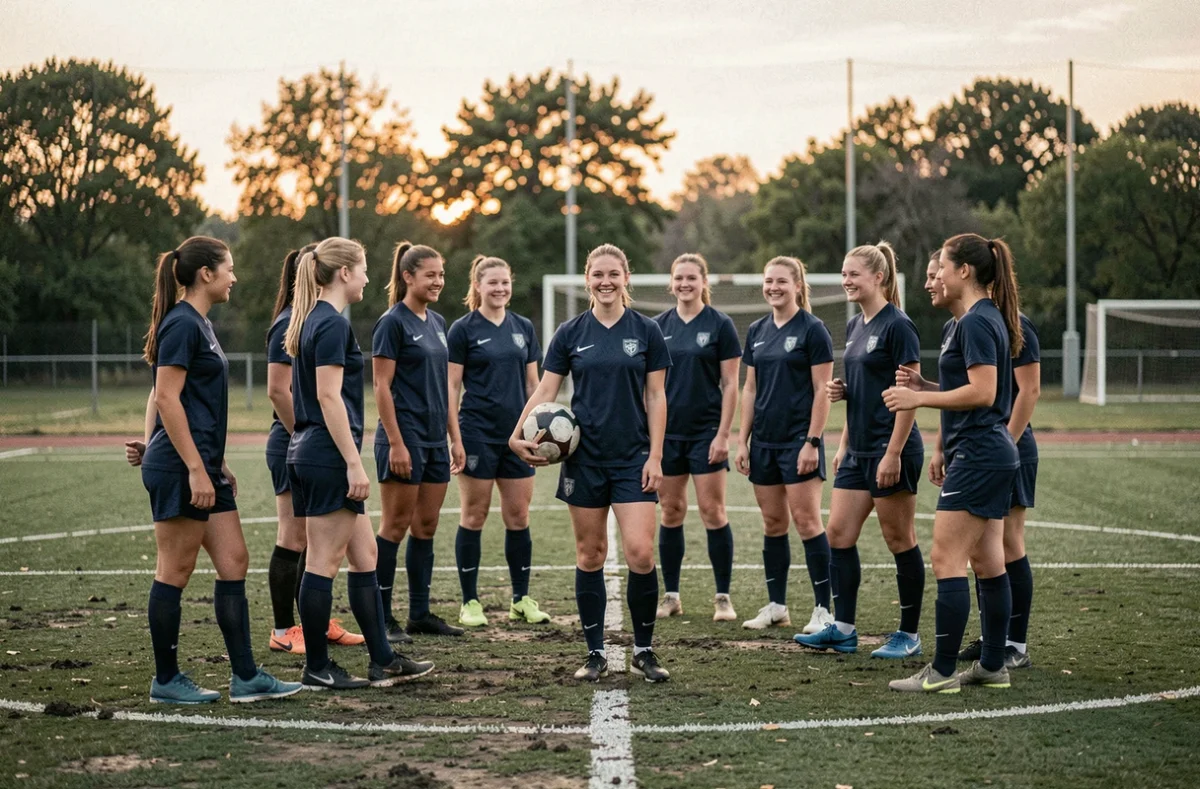
A player’s legacy is measured in more than titles and statistics. Accounts from younger players point to Necib’s influence on their desire to play football.
This kind of impact is difficult to quantify, but it can shape a sport that was still seeking media visibility while Necib was playing at the highest level. Her nickname, “the Zidane of women’s football,” helped bridge the gap between the general public and a sport that received little coverage at the time.
- Born in Marseille, she represented an accessible role model for young players from working-class neighborhoods, far removed from traditional academies
- Her progression from US Marseille XIV to Celtic Marseille Féminin and then Olympique Lyonnais charts a clear and replicable path of development
- Her move into TV punditry extends her visibility and keeps a female role model in the sports media spotlight
Louisa Necib’s journey, from her early days in Marseille to appearing on beIN Sports panels to comment on men’s football, follows a consistent thread. The player who built play between the lines now builds analysis from the touchline. To this day, this natural next step remains one of the most successful career transitions by a French international.