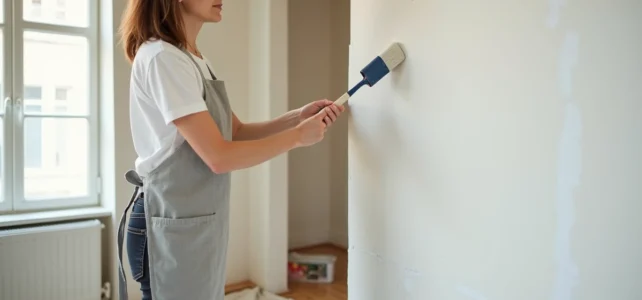
The maintenance of a house goes beyond weekly cleaning. It also includes the technical upkeep of equipment, managing indoor air quality, and gradually adapting the home to current energy constraints. Addressing these three dimensions helps reduce heavy interventions and extend the lifespan of materials.
Indoor air quality: maintenance actions that really make a difference
The Indoor Air Quality Observatory reminded in its 2023 report that targeted dusting of textiles measurably reduces the presence of allergens. Curtains, fabric sofas, carpets, and bedding trap fine particles and dust mites much more than smooth surfaces.
To tackle the problem at the source, three regular actions make a difference compared to a standard vacuum cleaner:
- Vacuum upholstery with a suitable nozzle every two weeks, paying particular attention to seams and folds where dust accumulates.
- Monitor ambient humidity, especially in the bathroom and kitchen, using a connected humidity sensor or a simple wall hygrometer. A level above 60% encourages mold growth.
- Ventilate each room for at least ten minutes a day, even in winter, to refresh the air and expel volatile organic compounds emitted by furniture, paints, and cleaning products.
Since 2022, connected home sensors (CO₂ detectors, app-controlled humidity probes) have become widely used in French households, according to FEVAD barometers. They allow for ventilation to be adjusted to actual needs rather than following an arbitrary schedule. A CO₂ detector placed in the main living area signals in real-time when the air becomes stale, preventing overheating by leaving windows open for too long.
Those who want to go further can find home tips on Mr Seb to delve deeper into each aspect of routine maintenance.
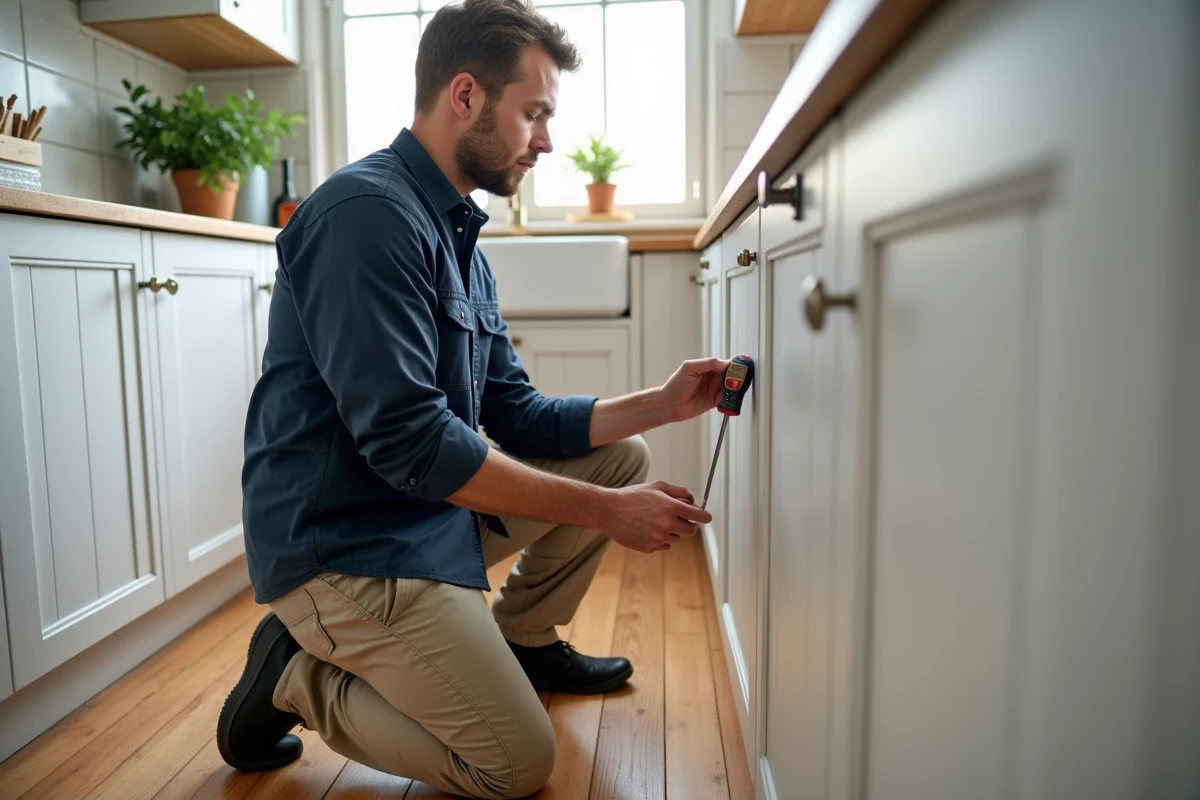
Maintenance of energy equipment: bleeding, seals, and programming
With devices related to the DPE and the RE2020 regulations, routine maintenance now includes energy optimization actions that Ademe details in its practical sheets published between 2022 and 2024. Three areas deserve special attention because they combine ease of execution with a direct impact on bills.
Bleeding water radiators
A radiator that heats poorly at the top contains air. Bleeding takes less than five minutes per unit: open the bleed valve, let the air escape until a steady stream of water appears, then close it. This should be done once a year, before restarting the heating.
Seals on windows and exterior doors
Worn or detached seals create thermal bridges that reduce insulation efficiency, even if it is recent. Running a finger along the frame of a closed window is enough to detect a draft. Replacing a foam or silicone seal requires no specialized tools and costs a few euros per linear meter.
Heating programming
Setting a programmable thermostat to a lower temperature at night and during absences remains the most cost-effective action in terms of energy savings. Ademe’s guides recommend a moderate gap between comfort temperature and reduced temperature to avoid spikes in heating that negate the benefits.

Materials and surfaces: adapting the method to the support
The common reflex is to use a multi-purpose product on all surfaces. This habit damages certain materials in the medium term. Each type of surface requires a distinct cleaning protocol.
Raw or oiled wood, common on countertops and floors, cannot withstand excess water. A wrung cloth and diluted black soap are sufficient. Stubborn stains can be treated with very light sanding followed by a new coat of oil.
Tiles are more resistant, but their cement joints remain porous. They absorb grease in the kitchen and moisture in the bathroom. Cleaning with a baking soda paste, left for a few minutes and then scrubbed with a brush, restores their original color without damaging the mortar.
Stainless steel sinks and backsplashes scratch easily with an abrasive sponge. A damp microfiber cloth, wiped in the direction of the metal’s brushing, prevents micro-scratches that dull the surface over time.
Preventive maintenance checklists: the model of concierge services
Feedback from short-term rental platforms shows that the best-rated accommodations follow structured routines of preventive maintenance. This model can be directly applied to personal use.
The principle is based on three overlapping frequencies:
- Daily: ventilate, wipe kitchen surfaces after use, empty trash before it overflows.
- Weekly: vacuum floors and textiles, clean the bathroom, check the refrigerator to remove expired food.
- Seasonal: bleed radiators, inspect window seals, descale the water heater, flip mattresses, and treat heavy textiles (curtains, duvets).
Recording these tasks on a shared calendar (paper or app) prevents forgetfulness and distributes the load among household members. The goal is not permanent perfection, but regularity: constant preventive maintenance costs less than late curative repairs.
The last point to keep in mind concerns the lifespan of equipment. A non-descaled water heater loses efficiency each year. A clogged VMC filter no longer fulfills its air renewal function. These seasonal checks, rarely spectacular, are the ones that most sustainably protect the value and comfort of a home.