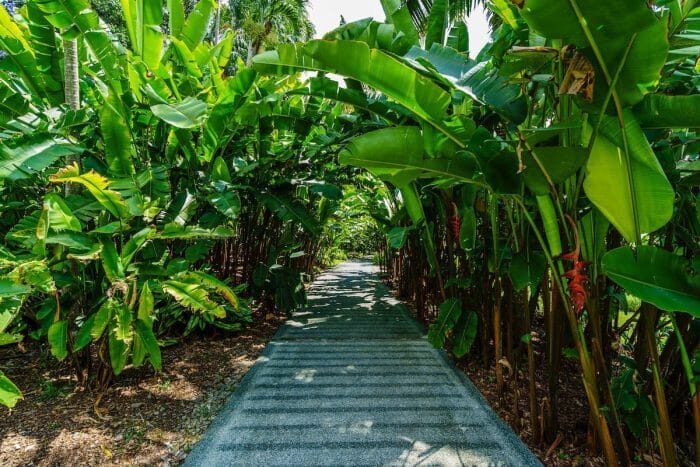
In a world striving for a greener life, caring for plants is both a necessity and a passion for many. The cultivation of banana trees is no exception. It is an act that requires precise knowledge and unwavering dedication. This guide sheds light on the essential steps to follow for planting a banana tree and creating a favorable environment for its growth. It discusses all the factors to consider, from purchasing the young banana tree to the moment it produces fruit, including soil selection, proper watering, and disease management.
Choosing the ideal location to plant a banana tree
Preparing the right soil to promote the growth of the banana tree is a crucial step in the planting process. Choosing a well-drained soil that is rich in nutrients is essential. Be sure to determine the soil pH, which should be between 5.5 and 7, to ensure optimal nutrient absorption by the roots.
The soil should be amended with organic matter such as compost or decomposed manure. These amendments enrich the soil with organic matter and essential nutrients like nitrogen, phosphorus, and potassium.
Once this preparation is complete, you can move on to the next step: how to properly plant a banana tree? It is recommended to dig a hole twice as wide as the root ball of the banana plant. Ensure that the root ball is well-moistened before placing it in its new environment.
Carefully place the plant in the hole, ensuring that the top part of the roots is level with the soil. Then gently fill in with a mixture of potting soil and excavated soil around the roots to avoid air pockets.
After completing this crucial step, water generously to ensure proper hydration of the young plant. To maintain consistent moisture around the roots during the hot summer months, be sure to mulch generously with a layer of straw or organic mulch.
Make sure to provide the banana tree with an environment conducive to its growth by offering maximum sun exposure and avoiding cold drafts. Banana trees prefer a warm and humid climate, with an average temperature between 20°C and 30°C.
Preparing the right soil is vital for promoting the growth of the banana tree. By following these simple yet essential steps, you will be able to create an environment conducive to the health and vigor of your banana tree. Don’t hesitate to consult experts in the field for more information on regional specifics related to planting this fascinating exotic plant.
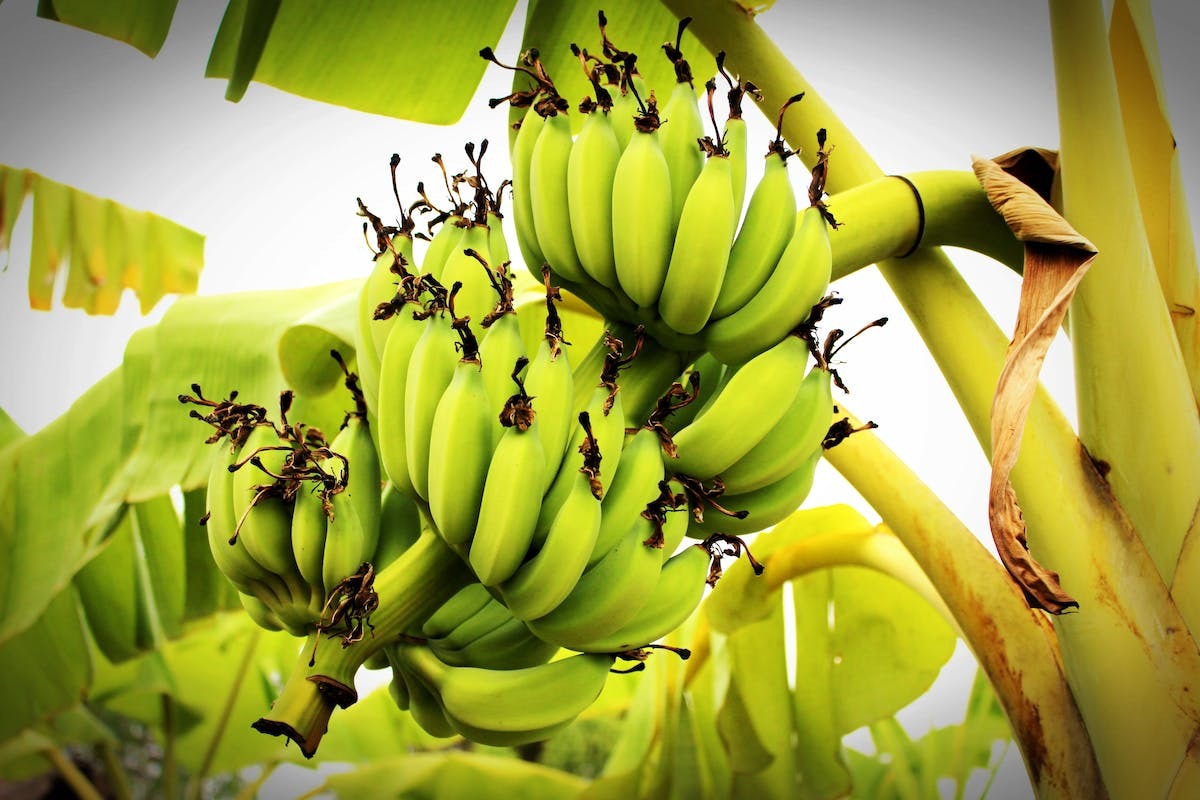
Preparing the soil to promote the growth of the banana tree
When it comes to choosing the variety of banana tree suited to your environment, be sure to consider several key factors. The first thing to consider is the climate of your region. Banana trees are tropical plants that require a constant warmth and temperatures above 15°C throughout the year.
If you live in a warm and humid climate, you have the option of choosing varieties such as Cavendish or Grand Naine (or Dwarf Cavendish). These varieties are commonly cultivated in tropical and subtropical regions.
Choosing the right variety of banana tree for your environment
To plant your banana tree correctly and promote its optimal growth, you must follow certain key steps. Prepare the soil by carefully weeding and adding organic compost to improve its structure and fertility.
Dig a hole deep enough to accommodate the size of the banana tree’s roots. Ensure that the hole is wide enough to allow the roots to spread without being too compressed. This will allow the roots to develop freely and absorb the necessary nutrients for the growth of the tree.
Once you have dug the hole, place the young banana plant in the center, making sure to spread its roots in all directions. Also, ensure that the collar – the part where the leaves meet the roots – is level with the soil or slightly above.
After positioning the plant in the hole, fill it with a combination of potting soil enriched with organic matter and well-draining native soil. Gently pack around the plant to avoid air pockets but without compacting too much to ensure good drainage.
Once planting is complete, water generously to help settle the soil around the roots and ensure adequate hydration from the start. You should maintain a good level of moisture in the first weeks following planting to support the establishment of the young plants.
Don’t forget to mulch the soil around the banana tree to prevent weed growth and maintain consistent moisture. Mulching also retains nutrients and promotes an environment conducive to microorganisms.
By carefully following these steps, you will provide your banana tree with all the necessary conditions for healthy and vigorous growth. Feel free to regularly monitor the condition of your plant to intervene if necessary in case of issues such as diseases or nutritional deficiencies.
With a little attention and the right planting practices, you will soon see your banana tree grow majestically in your garden, rewarding you with its delicious tropical fruits.
Properly planting the banana tree for successful growth
Once your banana tree is properly planted, you need to care for and protect it throughout its growth. Here are some tips to ensure the health and vigor of your tropical fruit tree.
Be sure to regularly provide water to your banana tree. It needs abundant but spaced watering to avoid problems related to excess or lack of moisture. Ideally, water deeply once a week rather than small amounts every day. This allows the roots to penetrate deeply and thus promotes their optimal development.
Consider fertilizing your banana tree to provide the necessary nutrients for its sustained growth. Choose a balanced fertilizer containing potassium, phosphorus, and nitrogen, essential elements to stimulate flower production and facilitate fruit formation. Apply the fertilizer according to the manufacturer’s recommendations while avoiding over-fertilization that could damage your plants.
Regularly pruning dead leaves also contributes to the good development of the banana tree by removing non-productive parts and thus reducing the risk of fungal or bacterial diseases. Simply cut these leaves carefully using clean tools to avoid any pathogenic spread.
Protecting the trunk of the banana tree from potential pests is another important preventive measure. Use protective wraps to prevent infections caused by insects or other pathogens that may enter through wounds on the trunk.
Be attentive to signals indicating potential health issues with your banana tree. Yellowing, wilting, or spotted leaves may be signs of a nutritional deficiency or a developing disease. In this case, consult a gardening expert to identify and quickly address the underlying cause.
By following these simple yet essential tips, you will create an environment conducive to the healthy and fruitful growth of your banana tree. You will be rewarded with an abundance of delicious tropical fruits that will add exoticism and flavor to your daily life.
Caring for and protecting your banana tree for a bountiful harvest
After taking care of your banana tree with love and patience, the long-awaited moment finally arrives: the harvest of bananas. This is a rewarding step that will allow you to savor the fruits of your hard work.
The first thing to do is to carefully observe your plants to spot the signals indicating that the bananas are ready to be harvested. The bunches should have reached their maximum size and display a pronounced yellow color. Do not rush the harvest as this will affect the quality and taste of the fruits.
When you are sure that the bananas are ripe, gently cut the entire bunch using a sharp tool such as pruning shears or a well-sharpened knife. Be careful not to damage the other stems of the plant during this operation.
Once cut, it is recommended to hang the bunches in a cool, dry place so they can finish their natural ripening. Just make sure this space is well-ventilated to avoid any moisture buildup that could lead to mold or premature deterioration of the fruits.
After a few days, your delicious bananas will be perfectly ripe and ready to be enjoyed. You can then fully enjoy the exotic fruit straight from your own garden. Savor every sweet bite filled with intense tropical flavor that evokes sunny beaches and lush landscapes.
Beyond direct consumption, you can also use your bananas to prepare a multitude of delicious recipes. Whether in refreshing smoothies, fluffy cakes, or even exotic savory dishes, bananas bring that unique sweet touch that will delight your taste buds.
Remember that harvesting is a crucial moment in the life cycle of your banana tree. After completing it, be sure to thoroughly clean your garden by removing all plant debris related to the harvest. This will help prevent any insect infestations or the spread of potential diseases.
By following these steps to harvest and make the most of your own banana tree, you will be rewarded with the literal fruit of your home cultivation success.
Harvesting and enjoying your own fresh bananas
When growing a banana tree, you must consider potential diseases and pests that could threaten the health of your plant. Banana trees are vulnerable to certain pests, such as the banana weevil or the Panama fungus. It is therefore essential to regularly monitor the condition of your plants to quickly identify any signs of infection or infestation.
To prevent these problems, adopt a preventive approach by strengthening the natural resistance of the plants. Use biological methods such as introducing natural insecticides like ladybugs or parasitic wasps that feed on the pests present on your banana trees. Also, ensure to maintain a healthy environment by ensuring that the soil is properly drained and aerated.
If you notice concerning symptoms on your plants, do not hesitate to consult an agricultural professional specialized in banana cultivation. They will be able to advise you on the appropriate measures to take to effectively treat your plant while respecting environmental standards.
Pay particular attention to the specific nutritional needs of bananas to ensure their optimal growth. Essential nutrients include potassium (K), nitrogen (N), and phosphorus (P). You can provide these necessary nutrients through various organic amendments, such as compost or well-decomposed manures.
Also, ensure to maintain a good water balance for your banana trees. They need regular watering but without excess to avoid promoting root diseases. The amount of water needed may vary depending on the climate and the time of year, so adjust your watering method accordingly.
Remember that growing a banana tree is an exciting endeavor that requires commitment and patience. Be patient as it generally takes several months before the first flowers appear and turn into delicious fruits. With the right care, you will be rewarded with an abundance of succulent bananas that will add exoticism and flavor to your daily life.
By following these valuable tips throughout the planting and growth of banana trees, you will create an environment conducive to their optimal development. Transform your garden into a true tropical oasis where the sweetness of bananas will be crowned by the wonder of this majestic plant with lush leaves.